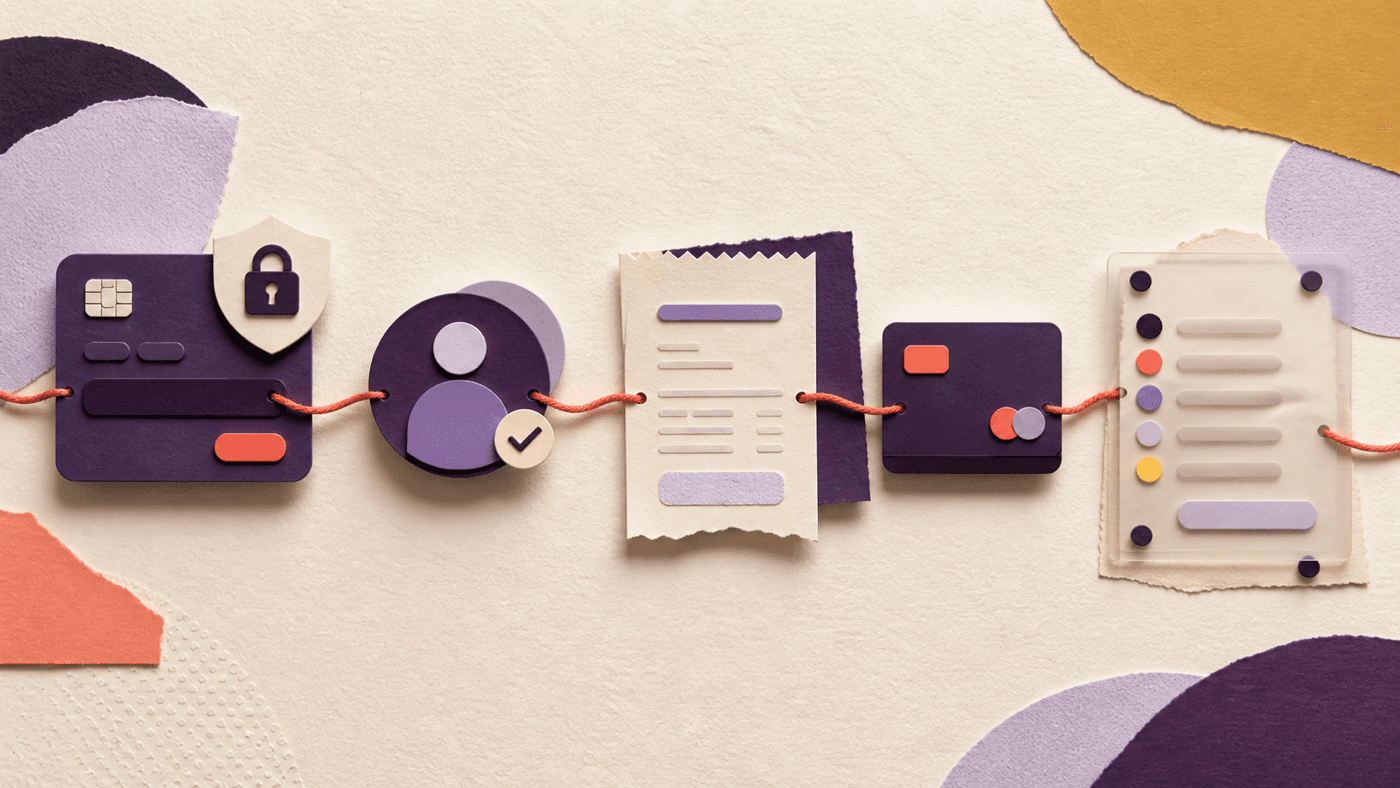
What makes this useful: Map a subscription lifecycle that customers and creators can understand. EarnThread's contribution is a topic-specific operating test that joins the customer promise, delivery boundary and evidence review for “How creator-product subscriptions should work”.
Plan recurring checkout, entitlement changes, failed renewal recovery, cancellation and customer communication as one lifecycle. Recurring revenue requires recurring operational responsibility; the initial checkout is only the first state transition. In practice, “How creator-product subscriptions should work” is not a one-time content task; for this reader it is a commercial decision involving a specific buyer, a promise, a delivery boundary and a review point. The useful goal for “How creator-product subscriptions should work” is map a subscription lifecycle that customers and creators can understand. This guide approaches that choice as a testable operating decision, because no generic formula can remove the trade-offs attached to define billing intervals and access and make cancellation effective and visible.
Frame the decision behind how creator-product subscriptions should work
Recurring revenue requires recurring operational responsibility; the initial checkout is only the first state transition. To frame “How creator-product subscriptions should work”, write the buyer's starting situation in one concrete sentence and the finished state in another. Next, name the evidence that would change your mind about “How creator-product subscriptions should work”. For this particular guide, that discipline stops define billing intervals and access from becoming a production exercise measured only by how much material was made. If the reader needs a neighbouring decision first, Multi-currency checkout for creators provides the relevant working guide without sending them back to a generic resource list.
The evidence base for “How creator-product subscriptions should work” matters because changing platform features, policies and guidance can alter the practical answer. Stripe's supporting guidance (opens in a new tab) gives a primary or first-party reference for the define billing intervals and access stage, while Stripe refunds documentation (opens in a new tab) helps test the assumption behind process signed lifecycle events. When using those links for “How creator-product subscriptions should work”, read their scope, note the review date and distinguish a provider's product claim from independent evidence.
Work through a bounded example
Imagine a creator applying “How creator-product subscriptions should work” to an audience that has repeatedly asked for help but has not yet paid. For this example, polite interest does not count as demand for map a subscription lifecycle that customers and creators can understand. The creator describes a bounded result, invites suitable people, records their exact objections and tests the complete path through define billing intervals and access. Keeping the “How creator-product subscriptions should work” test to one customer type, one promise and one review date produces clearer evidence than changing several offers, channels and prices together.
The operating boundary for “How creator-product subscriptions should work” should be visible before promotion begins. For define billing intervals and access, the boundary states what the customer supplies, what they receive, when it arrives, which support is included and how the expected path can fail. Those details are especially important to “How creator-product subscriptions should work” when the workflow touches payments, personal information, scheduled time or ongoing access. A boundary tied to active paid members protects the buyer from surprise and gives the creator a fair basis for measuring delivery effort.
Run the workflow in deliberate stages
- 01Define billing intervals and access
For “How creator-product subscriptions should work”, define billing intervals and access converts the broad promise into something a customer or collaborator can inspect. At the define billing intervals and access stage, write the decision in the intended buyer's language, including their input, your delivery and the explicit exclusions. Before polishing define billing intervals and access, test it with one realistic example from the audience described by “How creator-product subscriptions should work”. Record active paid members as the nearest useful signal for define billing intervals and access, while watching for granting permanent access on signup; that pairing supports a continue, revise or stop decision instead of rewarding activity for its own sake.
- 02Process signed lifecycle events
For “How creator-product subscriptions should work”, process signed lifecycle events converts the broad promise into something a customer or collaborator can inspect. At the process signed lifecycle events stage, write the decision in the intended buyer's language, including their input, your delivery and the explicit exclusions. Before polishing process signed lifecycle events, test it with one realistic example from the audience described by “How creator-product subscriptions should work”. Record recovery rate as the nearest useful signal for process signed lifecycle events, while watching for relying on polling alone; that pairing supports a continue, revise or stop decision instead of rewarding activity for its own sake.
- 03Handle payment recovery proportionally
For “How creator-product subscriptions should work”, handle payment recovery proportionally converts the broad promise into something a customer or collaborator can inspect. At the handle payment recovery proportionally stage, write the decision in the intended buyer's language, including their input, your delivery and the explicit exclusions. Before polishing handle payment recovery proportionally, test it with one realistic example from the audience described by “How creator-product subscriptions should work”. Record involuntary churn as the nearest useful signal for handle payment recovery proportionally, while watching for obscuring cancellation; that pairing supports a continue, revise or stop decision instead of rewarding activity for its own sake.
- 04Make cancellation effective and visible
For “How creator-product subscriptions should work”, make cancellation effective and visible converts the broad promise into something a customer or collaborator can inspect. At the make cancellation effective and visible stage, write the decision in the intended buyer's language, including their input, your delivery and the explicit exclusions. Before polishing make cancellation effective and visible, test it with one realistic example from the audience described by “How creator-product subscriptions should work”. Record active paid members as the nearest useful signal for make cancellation effective and visible, while watching for granting permanent access on signup; that pairing supports a continue, revise or stop decision instead of rewarding activity for its own sake.
A second pass on “How creator-product subscriptions should work” should focus on edge cases. For define billing intervals and access, ask what happens when the buyer arrives on mobile, misses an email, changes their mind, supplies incomplete information or needs accessibility support. Documenting those “How creator-product subscriptions should work” paths before launch is less costly than inventing policy while a customer is waiting.
Recognise failure early
- Granting permanent access on signup. In the context of “How creator-product subscriptions should work”, write down the early warning sign, the person responsible for checking it and the corrective action. Pair that check with active paid members so the risk is observable rather than a vague concern.
- Relying on polling alone. In the context of “How creator-product subscriptions should work”, write down the early warning sign, the person responsible for checking it and the corrective action. Pair that check with recovery rate so the risk is observable rather than a vague concern.
- Obscuring cancellation. In the context of “How creator-product subscriptions should work”, write down the early warning sign, the person responsible for checking it and the corrective action. Pair that check with involuntary churn so the risk is observable rather than a vague concern.
Use a decision scorecard
| Signal | What it can tell you | Decision use |
|---|---|---|
| Active paid members | For how creator-product subscriptions should work, active paid members shows whether the intended person reaches and begins the next meaningful action. | Compare active paid members with the promised outcome and the cost of producing it; do not optimise the number in isolation. |
| Recovery rate | Recovery rate indicates whether the experience promised in “How creator-product subscriptions should work” is being completed, not merely viewed. | Compare recovery rate with the promised outcome and the cost of producing it; do not optimise the number in isolation. |
| Involuntary churn | Use involuntary churn to test whether the outcome remains useful after delivery effort, support demand and exceptions are included. | Compare involuntary churn with the promised outcome and the cost of producing it; do not optimise the number in isolation. |
Review “How creator-product subscriptions should work” after a meaningful sample or defined period, not after every isolated reaction. Preserve the starting assumption for this guide and separate direct, attributed and unknown outcomes for active paid members. Look at active paid members, recovery rate, involuntary churn together, because “How creator-product subscriptions should work” cannot be understood through one measure of customer value, commercial health or delivery quality. At the review point for make cancellation effective and visible, change one important variable, record the reason and set the next review date; the resulting history lets a future collaborator understand this decision.
Once the first “How creator-product subscriptions should work” test is stable, resist adding complexity immediately. Use Reducing payment security scope for creator platforms when it genuinely advances the same customer journey, and leave tactics unrelated to map a subscription lifecycle that customers and creators can understand. outside this iteration. Here the internal link answers the question forming after make cancellation effective and visible, so it participates in the conversation instead of satisfying a link quota.
Sources and further reading
Product interfaces and pricing can change. These links are included so you can check the underlying source and its current scope.
- Stripe Connect charges ↗Stripe: Primary-source comparison of charge types and fund flows in Connect.
- Stripe refunds documentation ↗Stripe: Primary-source information about refund creation, balance implications and status.